Tatum: The Chromatic Typeface That Turns Text Into Art
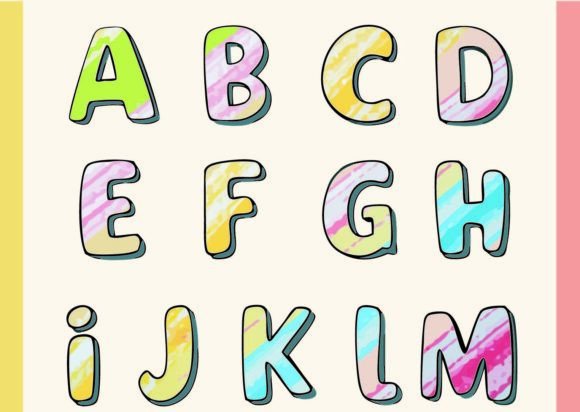
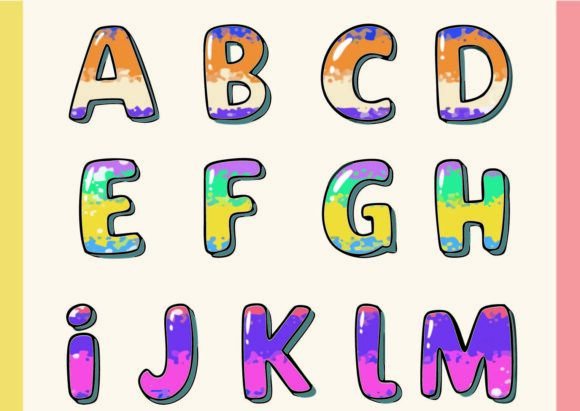
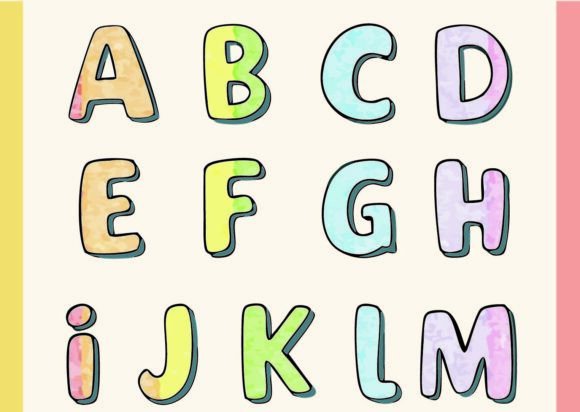
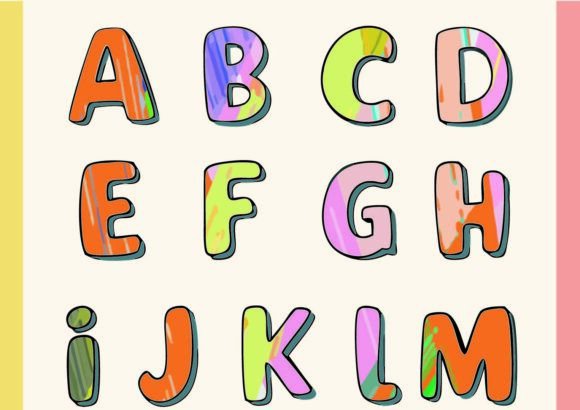
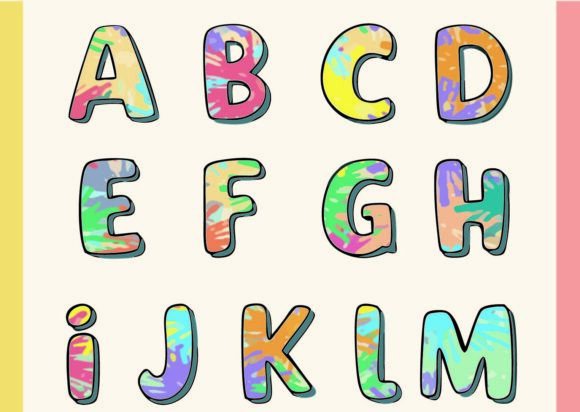
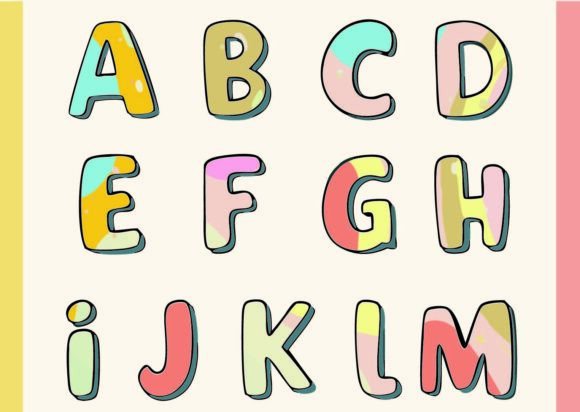
Imagine a font where every single letter, number, and symbol is a unique, vibrant composition. Not just a different weight or style, but a completely different explosion of color and intricate design. This isn't a gradient effect or a simple layer style; this is Tatum, a color font—technically known as an OpenType-SVG font—where each glyph is a tiny typographic painting. For designers and creators tired of flat, monochromatic text, Tatum offers a doorway into a world of complex paths, layered hues, and visual depth that can transform a mundane headline into a captivating centerpiece.
A Glimpse Inside the Colorful Complexity
What makes Tatum stand apart in the crowded sea of premium fonts is its foundational structure. A standard font file contains vector outlines that are filled with a single color you choose. Tatum, however, is built with embedded SVG (Scalable Vector Graphics) data. This means the color information, gradients, and even transparency are baked directly into each glyph. When you type the letter "A," you're not just placing an outline; you're inserting a pre-designed, multi-colored artwork. Look closely, and you'll see the complex sets of paths and connections—think of it as a digital mosaic or a stained-glass window crafted for the digital age.
This characteristic makes Tatum a true display font. It's not designed for long paragraphs of body text where readability at small sizes is paramount. Its genius lies in headlines, logos, and any application where you want maximum visual impact with zero post-processing. The "color font" aspect means you get an entire palette of coordinated colors in one asset, ensuring visual harmony across your designs without you having to manually pick and match each shade.
Practical Applications: Where Tatum Shines Brightest
The real value of a creative font like Tatum is measured in its utility. How can you actually use this vibrant typeface in your projects? Its unique personality lends itself to specific, high-impact applications where standing out is the goal.
For branding and logo design, Tatum can be the cornerstone of a playful, energetic, or artisanal identity. A children's brand, a creative agency, a boutique bakery, or a music festival could use a single glyph as a logomark or set the entire name in Tatum for an unforgettable wordmark. It instantly communicates creativity and attention to detail.
In packaging design, a Tatum header can make a product leap off the shelf. Imagine the name of a specialty coffee blend, a gourmet jam, or a craft beer label rendered in these intricate, colorful letters. It tells a story of craftsmanship and quality before the customer even reads the description.
For social media graphics and digital marketing, stopping the scroll is everything. A Tatum-powered headline in an Instagram post, a Facebook ad, or a Pinterest pin is inherently eye-catching. It adds a layer of professional polish and artistic flair that generic fonts can't match, boosting engagement and making your content more shareable. It's equally effective for website hero sections, blog post titles, and digital product covers.
Don't overlook print and merchandise. Tatum is perfect for poster designs, invitation suites for weddings or events, editorial magazine covers, and even merchandise like T-shirts or tote bags. Its high visual fidelity translates beautifully to print, provided you use the included OTF or TTF files as specified for your printing method.
Integrating Tatum Into Your Design Workflow
Adopting a specialized font like Tatum requires a slightly different approach than using a standard sans-serif. Here’s how to make it work for you effectively.
First, consider its role. Use Tatum for display purposes—large headlines, logos, and pull quotes. Pair it with a clean, simple sans-serif or serif font for body text. A combination like Tatum for headings and a neutral font like Lato or Merriweather for paragraphs creates a beautiful contrast that guides the reader's eye and maintains readability.
Second, test for compatibility and context. As noted, Tatum is an OpenType-SVG color font. It works seamlessly in modern versions of Adobe Photoshop, Illustrator, Silhouette Studio, and Inkscape. Always test your chosen glyph in the specific software you'll be using for your final output. Check how it looks at the intended size and against your background color. While it's a vector-based font, its complexity means extremely small sizes may lose some detail.
Third, explore the full character set. Don't just type "A-Z." Browse through the numbers, punctuation, and symbols. You might find a particular ampersand, exclamation point, or number that becomes a signature element in your branding. Each one is a unique piece of art, offering endless possibilities for creative expression.
Finally, mind the licensing. Tatum is a commercial font, and understanding the license that comes with your purchase is crucial for professional use. Ensure the license covers your intended project, whether it's for a client's brand, your own business merchandise, or a digital product for sale. Respecting font licensing is a key part of professional design practice.
Elevating Your Visual Communication
Ultimately, tools like Tatum are about more than just decoration. They are about enhancing communication. A well-chosen, visually striking typeface can do heavy lifting for your brand identity. It can convey personality—whimsical, luxurious, modern, retro—in an instant. It improves visual consistency when used as a repeating element across your assets, strengthening brand recognition. When used appropriately, it enhances the professional presentation of your work, signaling that you value quality and detail.
The key is intentionality. Don't use a chromatic font like Tatum because it's flashy; use it because its specific visual language aligns with your message and audience. For a project that calls for joy, intricacy, and a handcrafted feel, Tatum isn't just a good option—it might be the perfect one. It turns the fundamental act of setting type into an act of curation, allowing you to embed artistry directly into the words you share with the world.