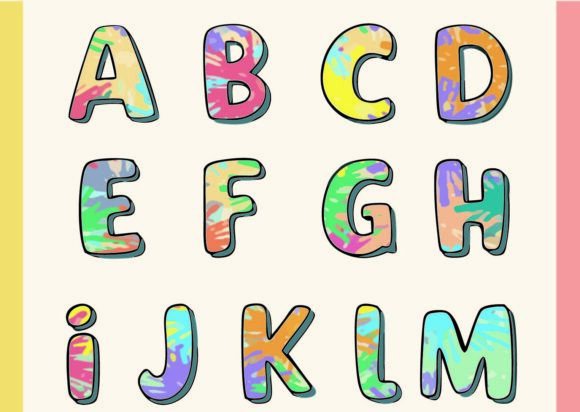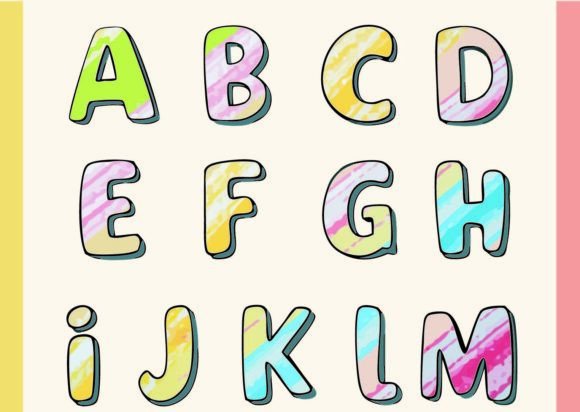
Lucia: The Chromatic Font That Turns Text Into Miniature Paintings
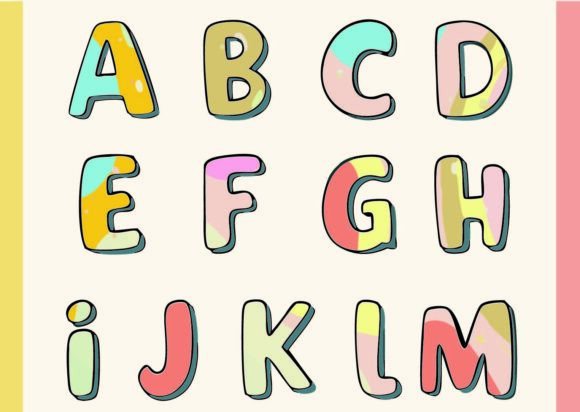
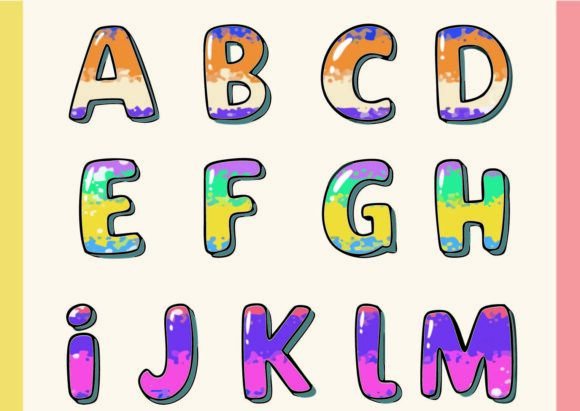
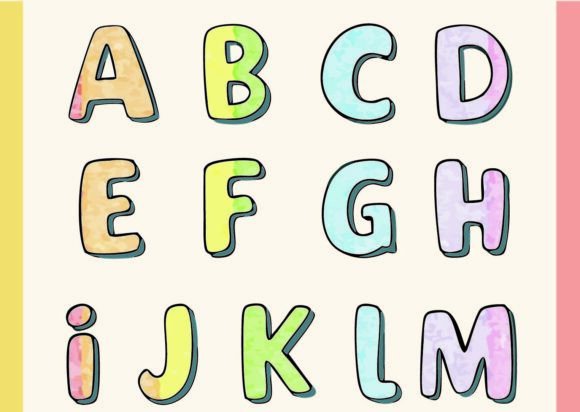
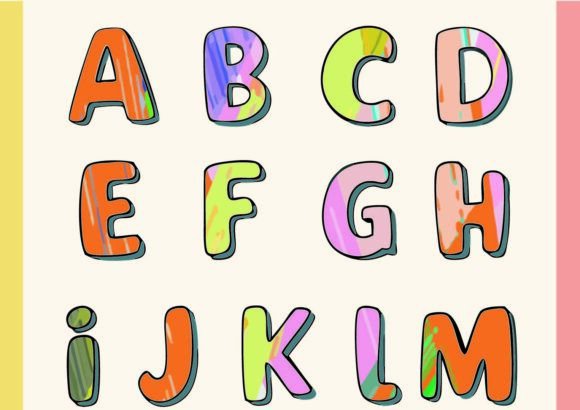
Imagine a typeface where every letter isn't just a shape, but a complete, self-contained piece of art. That's the experience of working with Lucia. This isn't your average font file you drop into a project for simple legibility. Lucia is a color font—technically an OpenType-SVG font—where each glyph is composed of intricate, multi-colored paths. Zoom in on a single "A" or "G," and you'll find a complex tapestry of colors and connections that looks more like a typographic painting than a standard character. It’s a tool for designers and creators who want their text to do more than communicate words; they want it to make a visual statement from the first glance.
A Visual Language for Bold Branding and Packaging
When you're building a brand identity, especially in a crowded market, visual distinctiveness is everything. Lucia offers a shortcut to a unique and memorable aesthetic. Think about a boutique skincare line, a specialty coffee roaster, or a craft cocktail brand. Using Lucia for the logo or primary brand mark instantly communicates creativity, craftsmanship, and a premium sensibility. The inherent detail in each letter means your brand name becomes a focal point, not just a label.
This translates powerfully to packaging design. On a shelf lined with minimalist sans-serifs, a product name set in Lucia's colorful, intricate style can stop a shopper in their tracks. It suggests the product inside is equally detailed and worthy of attention. The font itself tells a story of artistry before the customer even reads the description. For social media graphics, where first impressions are formed in milliseconds, a headline or key phrase set in Lucia can dramatically increase engagement. It provides that "thumb-stopping" visual hook that feeds and ads require to stand out in a fast-scrolling environment.
Practical Applications Beyond the Digital Screen
While Lucia shines on digital platforms, its utility extends beautifully into print and physical merchandise. For event invitations, especially for galas, art shows, or creative workshops, the font sets a sophisticated and artistic tone. Imagine a wedding invitation suite where the couple's names are rendered in Lucia's vibrant hues, paired with a clean, complementary serif or sans-serif for the body text. The result is elegant, modern, and deeply personal.
In editorial layouts, such as magazine headers or feature article titles, Lucia can break the monotony of traditional typography. It adds a layer of visual interest that draws readers into the content. For posters and large-format prints, the scalability of the vector-based glyphs ensures every colorful detail remains crisp and impactful. Small business owners creating merchandise—think tote bags, notebooks, or apparel—can use a single glyph or a short word from Lucia as a standalone graphic element, turning a simple product into a piece of wearable or usable art.
Making It Work: Pairing and Readability
A font this visually complex requires thoughtful implementation. The key to using Lucia effectively is understanding its role as a display font. It's designed for headlines, logos, and short bursts of impactful text, not for body copy. Its intricate color details, while stunning at large sizes, can compromise readability in long paragraphs or at small sizes. This is where font pairing becomes your most important skill.
The most successful projects using Lucia will pair it with a simpler, highly legible typeface. A clean sans-serif font like Montserrat or Helvetica Neue provides a perfect counterbalance for digital and web use. For print projects where a more traditional feel is desired, a sturdy serif font like Georgia or Minion can ground the colorful display text. The goal is visual consistency: Lucia brings the personality and flair, while its partner font ensures the rest of your message is clear and professional. Always test your pairings at the actual sizes they will be viewed to ensure the hierarchy is clear and the overall look is balanced.
Understanding the Asset: Styles and Licensing
When you invest in a premium design asset like Lucia, it's crucial to understand what you're getting. Typically, a color font like this is provided as an OpenType-SVG file (.otf), which contains the color and vector data. It's vital to check compatibility with your software. Lucia is noted to work with popular applications like Adobe Photoshop, Illustrator, Silhouette Studio, and Inkscape. Before purchasing, verify that your primary design tools support OpenType-SVG fonts.
Review the included font styles. Does the package offer different weights, or is it a single, bold style? Knowing this helps you plan your projects. Finally, always clarify the commercial licensing. If you're creating designs for clients, selling merchandise, or using the font in marketing materials for a business, you need a license that permits commercial use. Reputable font sellers make this clear. Treat Lucia not just as a typeface, but as a central piece of your creative font toolkit—one that can elevate specific projects from ordinary to extraordinary, helping you build stronger brand recognition and a more professional presentation that truly engages your audience.