Rustic Dots: The Playful Typeface for Creative Brands
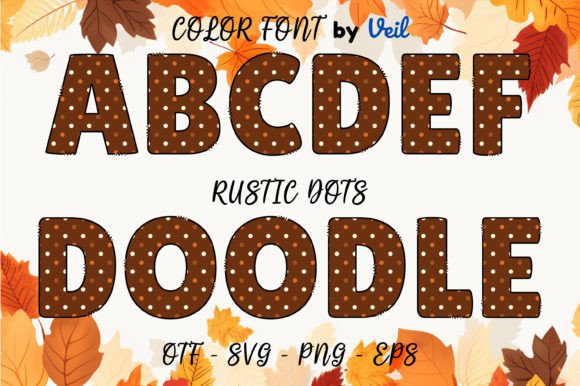
There's a particular charm in typography that doesn't take itself too seriously. You know the feeling—when a font makes you smile before you've even read the words. That's the territory Rustic Dots occupies with confidence. This display typeface brings together hand-drawn warmth and dotted texture in a way that feels both approachable and distinctive. If you've been searching for a creative font that bridges the gap between playful energy and professional polish, this one deserves a closer look.
What Makes This Typeface Stand Out
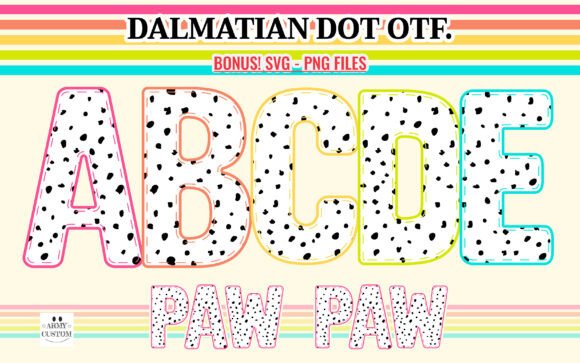
Rustic Dots isn't your typical decorative font. The dotted construction gives each letter a tactile quality—almost like it was assembled from buttons, beads, or carefully placed pebbles. Yet the overall letterforms remain clean enough to read at reasonable sizes. That balance is harder to achieve than most people realize. Many novelty fonts sacrifice legibility for personality. Rustic Dots manages to deliver both, which opens up a surprisingly wide range of applications.
The character set covers uppercase and lowercase letters, numbers, punctuation, and multilingual support. Depending on the version you choose, you may also find stylistic alternates and ligatures that let you fine-tune the look for specific projects. These extras matter when you're building a brand identity where every detail counts.
Where Rustic Dots Truly Shines
Think about children's book covers for a moment. The best ones use typography that signals imagination and adventure before a child even opens the front page. Rustic Dots fits that world naturally. The dotted texture evokes a handcrafted quality that pairs beautifully with illustrated characters, whimsical landscapes, and colorful backgrounds. It's easy to read, visually engaging, and carries just enough quirkiness to stand out on a crowded bookstore shelf.
But the applications extend well beyond kids' publishing. Consider these possibilities:
- Greeting cards and invitations — birthday parties, baby showers, and casual celebrations benefit from a font that feels handmade without looking sloppy
- Poster design — event posters for craft fairs, farmers markets, and community gatherings gain personality with this kind of display font
- Packaging design — artisan food brands, handmade soap companies, and small-batch product lines can use Rustic Dots to reinforce a craft-oriented brand story
- Social media graphics — Instagram posts, Pinterest pins, and Facebook headers that need to stop the scroll work well with distinctive typography
- Website headers and blog titles — a touch of character in your web design can make a site feel more human and memorable
- Merchandise — t-shirts, tote bags, mugs, and stickers often call for bold, playful type that reads well at various sizes
- Digital products — planners, worksheets, and downloadable art prints benefit from fonts that feel personal and approachable
Small business owners running Etsy shops or selling through their own websites often struggle to find premium fonts that don't look generic. Rustic Dots offers something different—a typeface with enough personality to become part of your visual identity without overwhelming your other design elements.
Pairing Rustic Dots With Other Fonts
One of the most practical skills in typography is knowing how to combine fonts. A display font like Rustic Dots works best when it's supported by a simpler companion typeface for body text and longer passages. Here are some pairing strategies worth testing:
- With a clean sans serif font — pairing Rustic Dots with something like a geometric or humanist sans serif creates contrast that feels modern and balanced. The sans serif handles paragraphs and smaller text while Rustic Dots commands headlines.
- With a simple serif font — if your project leans more traditional or editorial, a classic serif companion can ground the playfulness of Rustic Dots with a sense of structure.
- With a handwritten script font — for projects where you want maximum warmth and personality, layering Rustic Dots with a casual script creates a cohesive handmade aesthetic. Just be careful not to let two highly decorative fonts compete for attention.
The key principle is contrast without conflict. Your heading font and body font should feel like they belong in the same conversation, but they shouldn't be shouting over each other. Test your pairings at actual sizes—what looks balanced in a design mockup might feel cramped or distant once it's printed or displayed on a screen.
Readability Considerations Worth Your Time
Every font comes with trade-offs, and honest advice means acknowledging them. Rustic Dots performs beautifully at larger sizes—think headlines, titles, logos, and display text. At very small sizes, the dotted texture can start to lose definition, especially in print. This isn't a flaw; it's simply how textured display fonts behave.
For body copy, paragraphs, and detailed information like ingredient lists or legal text, switch to a standard serif or sans serif font. Reserve Rustic Dots for the moments where you want to make a visual statement. That strategic separation actually strengthens your overall design because it creates clear visual hierarchy. Readers instinctively know where to look first, and the contrast between your display type and body type guides their eyes through the content naturally.
On screens, test how the font renders across devices. A heading that looks crisp on a desktop monitor might need size adjustments on mobile. Most modern design tools make this easy to preview, so take advantage of those features before finalizing anything.
Matching Typography to Your Brand Story
Fonts carry emotional weight. Before choosing Rustic Dots for a project, ask yourself what story you're telling. If your brand values include handmade quality, creativity, warmth, playfulness, or a connection to nature, this typeface reinforces those messages visually. A children's clothing brand, a local bakery, a yoga studio, or a craft supply shop could all find legitimate uses for this style of modern typography.
On the other hand, if your brand identity leans toward luxury minimalism, corporate authority, or cutting-edge technology, Rustic Dots probably isn't the right fit—and that's perfectly fine. The best font choice is always the one that aligns with your audience's expectations and your brand's personality. There's no universal typeface that works for everyone, and recognizing that is part of good design thinking.
Licensing and Practical Next Steps
Before purchasing any commercial font, review the licensing terms carefully. Most premium fonts come with different license tiers depending on how you plan to use them—personal projects, commercial work, web embedding, app development, or server use. Make sure the license covers your intended applications. If you're designing for a client, confirm whether the license transfers or if the client needs to purchase their own copy.
Once you've acquired Rustic Dots, spend time exploring the full character set. Test different letter combinations, experiment with spacing and sizing, and try it across at least three different project types before settling on how you'll use it. Good typography rewards experimentation. The more you work with a font, the more you discover its strengths and learn where it fits best in your creative toolkit.