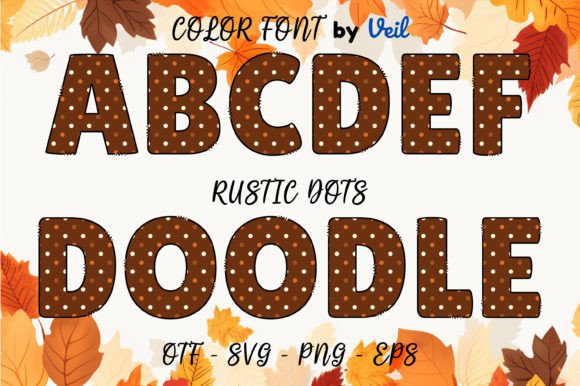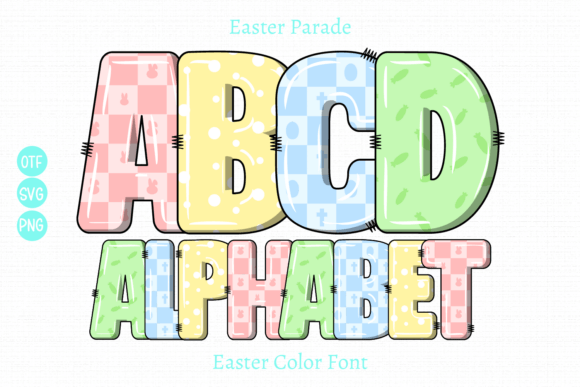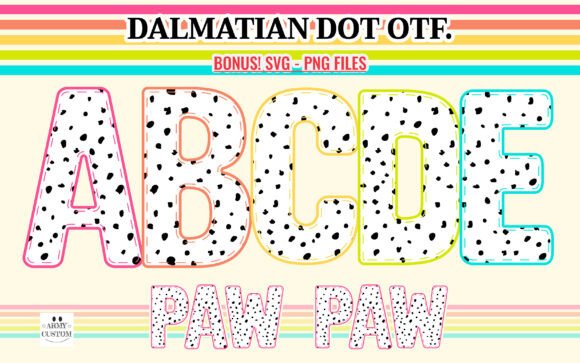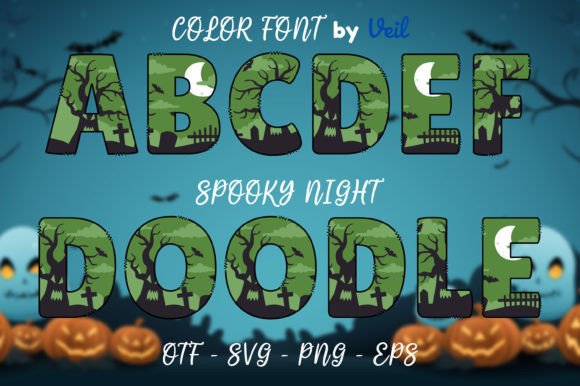
Falling Leaves: A Playful Typeface for Creative Brands
There’s a certain magic in the way leaves tumble from trees in autumn—each one unique, full of movement, and effortlessly beautiful. It’s this organic, spirited quality that the Falling Leaves font captures so well. If you’ve been searching for a typeface that brings warmth, creativity, and a touch of whimsy to your designs, you might have just found your perfect match. More than just a collection of letters, Falling Leaves is a visual voice that speaks to joy, imagination, and artistic expression. It’s the kind of font that makes people pause, smile, and feel a connection before they’ve even read the first word.
A Font with Personality and Purpose
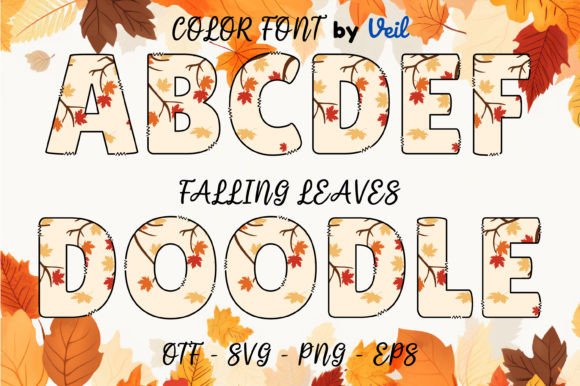
Falling Leaves isn’t your typical corporate font. It’s a premium display font with a distinctly playful and artistic feel, making it ideal for projects that need to convey creativity, warmth, and approachability. Its design often features fluid lines, gentle curves, and a handwritten or script font quality that feels personal and inviting. Think of it as the typographic equivalent of a friendly smile or a beautifully crafted invitation—it sets a tone that’s engaging and memorable.
This creative font shines in contexts where you want to break away from rigid, formal typography. It’s particularly effective for audiences that appreciate authenticity and creativity. For instance, in children’s books, a font like Falling Leaves does more than just present text; it becomes part of the storytelling. The whimsical, colorful, and easy-to-read letterforms create an immersive experience for young readers, turning pages into adventures. Similarly, posters for local events, invitations for weddings or birthdays, and greeting cards all benefit from its expressive character. It’s a typeface that doesn’t just communicate a message—it amplifies the emotion behind it.
Where Falling Leaves Truly Blossoms: Practical Applications
Understanding a font’s personality is one thing; knowing exactly where to use it is where the real value lies. Falling Leaves is incredibly versatile within the right contexts. For small business owners and entrepreneurs, it can be a secret weapon for brand identity. Imagine a boutique bakery, a handmade jewelry shop, or a children’s clothing line using Falling Leaves in their logo design. It immediately tells customers that the brand is creative, caring, and detail-oriented. The font can then extend seamlessly across packaging design, social media graphics, and website headings to build a cohesive and recognizable brand identity.
For content creators and marketers, this modern typography choice is perfect for cutting through the noise. Use it for eye-catching headlines on blogs, title cards in videos, or bold statements in marketing assets like email headers and digital ads. Its distinctive style helps improve audience engagement by adding visual interest and personality that standard system fonts lack. In editorial design, such as magazine spreads or digital products like e-books and online courses, Falling Leaves can be used for chapter titles or pull quotes to guide the reader’s eye and add artistic flair without sacrificing the readability of body text when paired correctly.
Even in print materials and merchandise, its potential is vast. Think of tote bags, stickers, mugs, or apparel featuring inspirational phrases or brand names set in Falling Leaves. The font’s playful nature makes it ideal for products meant to delight and inspire. It’s a commercial font that offers real-world utility, helping you create design assets that feel professional yet full of character.
Pairing and Practicality: Making It Work for Your Project
Choosing the right font is just the first step. To make Falling Leaves work effectively, you need to think about context and combination. Its expressive nature means it’s best used for headlines, logos, and short bursts of text rather than long paragraphs. For body copy, pair it with a clean, highly readable sans serif font or a simple serif font. This contrast ensures your overall design remains balanced and legible. For example, pairing Falling Leaves with a font like Lato or Open Sans for body text creates a beautiful hierarchy that’s both engaging and easy to read.
Always test font pairings in your specific application. How does it look on a mobile screen versus a printed poster? Does the whimsical style align with the professional tone of your brand? Consider the readability considerations of your medium. For web design, ensure the font renders well across devices. For print, check how it looks in different sizes and on various paper stocks. Review the included font styles within the Falling Leaves family—does it come with bold, italic, or alternate characters? These extras can give you more creative control and help maintain visual consistency across all your touchpoints.
Finally, a crucial but often overlooked aspect is commercial licensing. Before using Falling Leaves in any commercial project—whether it’s a client’s logo, a product for sale, or a monetized blog—verify that your license covers that use. Reputable font foundries are clear about their licensing terms, so taking a moment to review them protects you legally and ensures your professional presentation is built on a solid foundation.
In the end, typography is about more than just selecting letters. It’s about choosing a voice. Falling Leaves offers a voice that is joyful, artistic, and deeply human. By applying it thoughtfully to the right projects and pairing it with complementary typefaces, you can elevate your designs, strengthen your brand recognition, and create work that truly resonates with your audience. Let it inspire your next creative endeavor and watch how it transforms the ordinary into something wonderfully expressive.