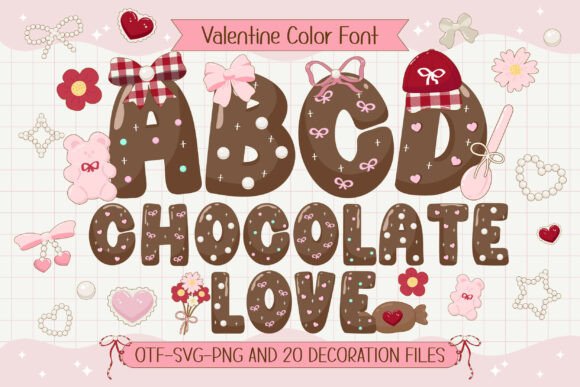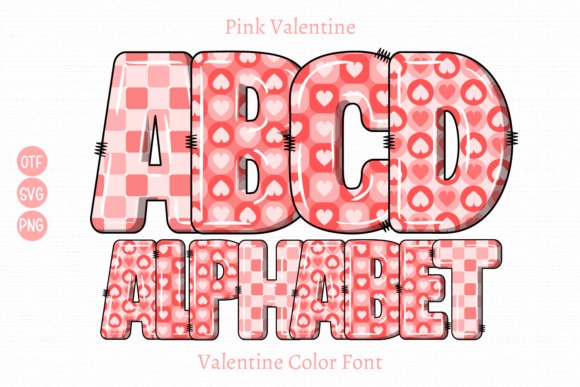
Pink Valentine: The Playful Color Font for Authentic Designs
There's a particular kind of magic that happens when you find a font that just feels right—when the letterforms carry a personality that matches the energy of your project before you've even finished typing. That's the experience waiting for you with Pink Valentine, a color font that brings warmth, playfulness, and an unmistakable sense of authenticity to every design it touches. Whether you're building a brand from scratch, refreshing your social media presence, or crafting handmade invitations for a milestone celebration, this typeface offers something genuinely different from the sea of standard fonts crowding your design toolkit.
What Makes a Color Font Different
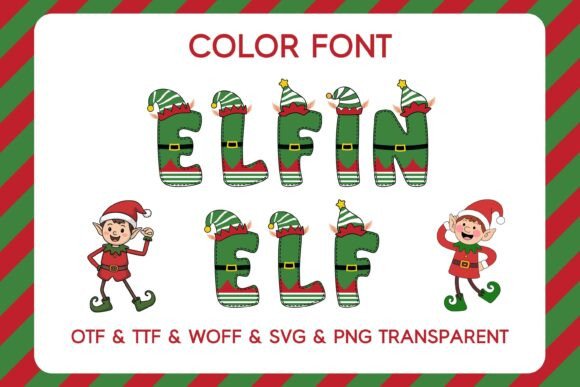
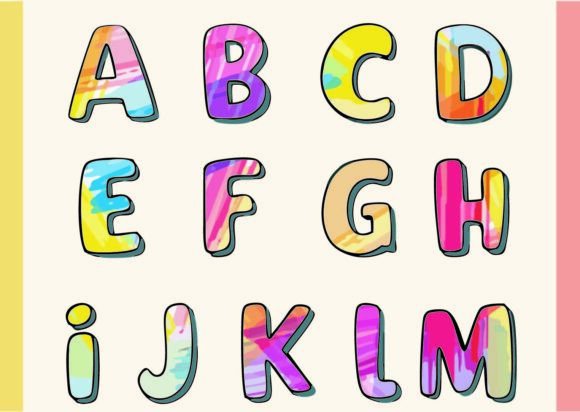
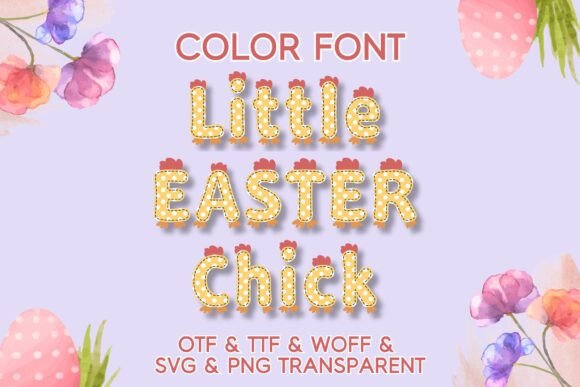
If you've never worked with a color font before, the concept is refreshingly simple. Traditional fonts render in a single color—black, white, whatever you assign. A color font like Pink Valentine arrives with built-in color, gradients, and visual texture baked directly into the letterforms. The result is typography that looks polished and intentional without requiring extra design steps. You install it, type your words, and the color treatment is already there, ready to make an impression.
Pink Valentine leans into a palette and style that communicates fun, sincerity, and creative confidence. It's not trying to be edgy or minimalist—it's unapologetically expressive. That makes it a standout choice for projects where you want your audience to feel something the moment they see your text. Think birthday banners, boutique branding, wedding stationery, seasonal promotions, and lifestyle blog headers. The font does heavy lifting that would otherwise require illustration skills or custom lettering.
Matching Typography to Your Project Goals
Every design project carries an emotional tone, and your typography choices either reinforce that tone or work against it. A law firm's website needs a different typographic voice than a children's bakery's Instagram page. Understanding this distinction is where good design begins.
Pink Valentine sits firmly in the expressive, creative category. It's a display font at heart—meaning it's designed to grab attention in headlines, logos, and featured text rather than serve as body copy for lengthy paragraphs. This is an important distinction. Using it for a 200-word product description might feel overwhelming, but using it for a hero banner, a product name on packaging, or a call-to-action button? That's where it shines.
Consider pairing it with a clean sans serif font for supporting text. A combination like Pink Valentine for your headline with a straightforward typeface like Montserrat or Open Sans for your body copy creates visual hierarchy without competing for attention. This kind of font pairing is a cornerstone of professional design, and it ensures your layouts feel balanced rather than chaotic.
Real-World Applications Worth Exploring
The versatility of a font like this becomes clear when you start mapping it onto actual projects. Here's where designers, entrepreneurs, and creators are putting it to work:
- Brand Identity: For small businesses in the beauty, lifestyle, food, or event planning space, Pink Valentine can anchor your visual identity. A distinctive font choice in your logo and marketing materials builds recognition over time—people start associating that specific typographic voice with your brand before they even read the words.
- Packaging Design: Product labels, box designs, and sticker typography benefit enormously from color fonts. The built-in color treatment eliminates guesswork and ensures consistency across print runs.
- Social Media Graphics: Instagram stories, Pinterest pins, and Facebook ads all reward bold, eye-catching text. A color font stops the scroll in ways that standard black text simply cannot.
- Invitations and Greeting Cards: Wedding invitations, baby shower announcements, birthday cards—these are spaces where personality matters more than corporate polish. Pink Valentine delivers that handmade, heartfelt quality without requiring calligraphy skills.
- Blog and Website Headers: A striking header font sets the mood for your entire site. Used sparingly and strategically, it can make a homepage feel inviting and memorable.
- Digital Products and Marketing Assets: E-book covers, lead magnet graphics, email headers, and online course branding all benefit from typography that communicates quality and creativity.
- Planners, Photo Albums, and Decorations: For crafters and hobbyists, this font brings a professional touch to personal projects—scrapbook titles, planner headers, party decorations, and DIY wall art.
Practical Tips for Using Pink Valentine Effectively
Getting the most from any creative font requires a bit of intentionality. Start by reviewing the included font styles that come with your download. Many premium fonts offer multiple weights, alternates, or stylistic variations that give you flexibility within a consistent visual framework. Understanding what's available prevents you from overlooking useful options.
Readability should always guide your decisions. Display fonts like this one are built for impact at larger sizes. Test your designs at the actual size your audience will see them. A headline that looks gorgeous on your 27-inch monitor might lose clarity when viewed as a thumbnail on a phone screen. Zoom out, squint a little, and ask yourself whether the message is instantly clear.
Color contrast matters, too. Since Pink Valentine carries its own color information, think carefully about what you place it against. A busy, multicolored background can muddy the font's visual effect. Solid backgrounds—whether light or dark—typically let color typography breathe and do its job.
One compatibility note worth keeping in mind: the color version of this font works with design programs like PhotoShop, Illustrator, Silhouette Studio, and Inkscape. If you're using Cricut Design Space or similar cutting machine software, the black version is your go-to. Checking these details before you start a project saves frustration later, especially if you're working on physical products like vinyl decals or printed merchandise.
Beyond Aesthetics: Building Visual Consistency
Consistency is the quiet engine behind every brand that feels trustworthy and professional. When your typography, color palette, and imagery work together across every touchpoint—from your website to your packaging to your social feeds—your audience develops an intuitive sense of who you are. They recognize your content before they see your name.
Choosing a distinctive font like Pink Valentine and committing to it across relevant applications is a straightforward way to build that consistency. It becomes part of your brand's visual vocabulary. Over time, that recognition translates into trust, and trust is what turns casual browsers into loyal customers and engaged followers.
The key is thoughtful application rather than enthusiastic overuse. Reserve it for the moments where you want maximum impact—your logo, your primary headlines, your featured callouts—and let complementary typography handle the rest. This restraint is what separates designs that feel curated from designs that feel cluttered.
Choosing Fonts That Actually Work for You
Font selection is one of those decisions that seems small but carries outsized consequences. The wrong typeface can make a luxury brand look cheap or a playful brand look stiff. Before committing to any font for a significant project, print it out, mock it up at actual size, and view it alongside your other design elements. Does it support the story you're telling, or does it introduce a competing narrative?
For creators and small business owners who don't have a design background, this process can feel intimidating. But it doesn't need to be. Trust your instincts. If a font makes you smile when you see your brand name set in it, that emotional response is data. Your audience is likely to feel something similar.
Pink Valentine occupies a specific niche in the typographic landscape—warm, expressive, approachable, and unmistakably creative. If that aligns with your brand personality or the mood of your next project, it's worth exploring. Add it to your design assets, experiment with pairings, and see how it transforms the visual energy of your work. Sometimes the smallest design choice creates the biggest shift in how your audience experiences what you've created.