Little Easter Chick: A Playful Color Font for Spring Projects
Spring brings a certain kind of creative energy—the urge to freshen up designs, experiment with vibrant palettes, and capture that sense of renewal in visual work. If you've been searching for a typeface that embodies seasonal joy without feeling overly childish or cliché, the Little Easter Chick color font deserves a closer look. This isn't just another novelty font collecting digital dust in your library. It's a thoughtfully crafted display typeface designed to inject personality into projects ranging from merchandise and packaging to social media graphics and digital invitations.
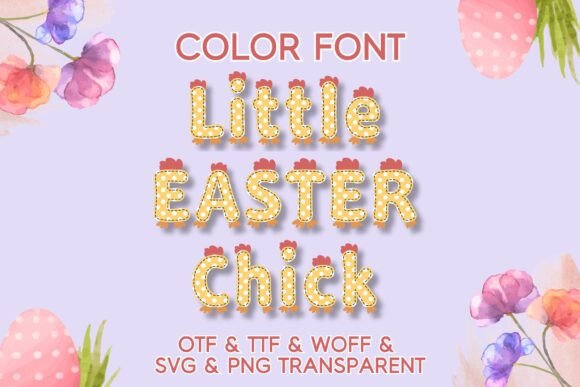
What makes a color font different from a standard typeface? Traditional fonts rely on a single color—usually black or whatever you assign in your design software. A color font, by contrast, ships with multiple colors, gradients, and textures baked directly into the glyphs. When you type with Little Easter Chick, each character arrives with its own built-in color palette, decorative details, and visual depth. Think of it as illustration meets typography. You get the convenience of typing words while achieving the handcrafted aesthetic of custom artwork.
Visual Character That Tells a Story
The first thing you'll notice about Little Easter Chick is its warmth. The letterforms feature soft, rounded shapes paired with charming spring-themed embellishments—tiny chicks, pastel tones, and playful textures that feel festive without being overwhelming. This balance matters more than people realize. A font that's too busy will compete with your message. One that's too plain won't grab attention. This typeface lands in that sweet spot where personality and readability coexist.
For designers working on brand identity projects, especially those tied to seasonal campaigns, this kind of visual storytelling through typography is invaluable. Rather than layering separate graphic elements on top of your text, the font itself becomes the design element. This saves production time and ensures a consistent look across every touchpoint—whether that's a printed card, a website banner, or an Instagram story.
Where This Font Truly Shines
Certain projects practically demand a typeface with built-in character. Here's where Little Easter Chick earns its place in your design toolkit:
- Merchandise and apparel: T-shirt designs, tote bags, and mugs benefit enormously from fonts that double as illustrations. The color font format means your print-ready files already contain the visual complexity that would otherwise require separate artwork layers.
- Event invitations and cards: Easter brunch invitations, spring party flyers, baby shower announcements—any occasion that calls for warmth and whimsy pairs naturally with this typeface.
- Packaging design: If you're a small business owner creating seasonal product labels, gift tags, or box designs, a premium font like this gives your packaging a polished, intentional look without hiring an illustrator.
- Social media graphics: Platforms reward visual distinctiveness. A scroll-stopping post often hinges on typography that feels different from the standard sans serif and script font combinations flooding every feed.
- Digital products: Printable planners, educational worksheets, and downloadable wall art all benefit from typefaces that add perceived value. Customers notice when a digital product feels special.
- Blog headers and web design: Used sparingly for headlines and featured text, Little Easter Chick can break the monotony of a layout dominated by neutral sans serif font choices.
Practical Tips for Using a Color Font
Working with color fonts requires a slightly different mindset than working with standard modern typography. Here are a few things worth keeping in mind:
Test compatibility first. Color fonts have matured significantly, but not every application renders them identically. Adobe Illustrator, Photoshop, and most current design platforms support them well. If you're using older software, check compatibility before committing to a project deadline.
Pair wisely. A display font with this much personality works best when balanced with a clean, understated companion. Try matching it with a simple serif font for body copy or a geometric sans serif font for supporting text. The contrast lets the color font command attention without visual chaos.
Consider your audience. This creative font resonates strongly with families, gift shoppers, event planners, and anyone in the lifestyle or children's product space. If your brand skews corporate or minimalist, reserve it for limited seasonal applications rather than core branding.
Scale thoughtfully. Color fonts often look best at larger sizes where their details remain visible. For small body text, switch to a standard typeface. Use Little Easter Chick for headlines, hero text, and focal design elements where it can breathe.
Review the full character set. A quality display font typically includes alternates, ligatures, and extended punctuation. Spend a few minutes exploring what's included—you might discover stylistic variations that open up new design possibilities you hadn't planned for.
Font Pairing Strategies That Work
Choosing the right font pairing is part instinct, part experimentation. With a playful typeface like Little Easter Chick, your goal is to let it dominate the visual hierarchy while supporting text stays grounded. A few combinations worth testing:
- Color font + classic serif: Think Garamond or Baskerville for body copy. The traditional letterforms provide a sophisticated counterbalance to the whimsy of the display font.
- Color font + clean sans serif: Helvetica, Inter, or Montserrat keep the overall design feeling modern and accessible. This pairing works particularly well for web design and social media graphics.
- Color font + handwritten font: If your project leans fully into a handcrafted aesthetic, a subtle handwritten font for secondary text can reinforce that handmade quality—just make sure the two scripts don't compete for attention.
The best approach is always to mock up a few options before finalizing. What looks good in theory doesn't always translate to practice, especially when color, texture, and scale interact.
Licensing and Commercial Use
One detail that separates professional designers from hobbyists is attention to licensing. Before using any commercial font in client work or products for sale, confirm that the license covers your intended use. Most premium font licenses allow for a specific number of users, projects, or installations. Some restrict usage on print-on-demand platforms or require an extended license for merchandise production.
This matters because font licensing disputes can become genuinely expensive. A few minutes reading the terms upfront protects you and your clients down the road. If you're a small business owner or creative entrepreneur selling products that feature typography prominently, this due diligence is non-negotiable.
Why Typography Choices Shape Perception
Every font communicates something before a single word is read. That's not design theory—it's how human brains process visual information. A bold, colorful typeface like Little Easter Chick signals playfulness, celebration, and seasonal relevance. Pair it with thoughtful color choices and clean layout structure, and you've got a design that feels cohesive and intentional.
For content creators and marketers, this kind of visual alignment between message and medium is what drives engagement. Audiences don't always articulate why one design feels trustworthy and another feels amateurish, but typography plays a massive role in that gut reaction. Investing in quality design assets—including fonts that bring genuine personality to your work—is one of the highest-leverage decisions you can make.
Whether you're refreshing your product line for spring, building out a seasonal marketing campaign, or simply looking for a typeface that makes people smile, Little Easter Chick offers a distinctive option worth exploring. The best fonts don't just display words. They give those words a voice. And sometimes, that voice sounds like a cheerful little chick welcoming a new season of creative possibility.