Designing with Conviction: The Power of the Thin Blue Line
There’s a particular feeling you get when a design just clicks. It’s not just about pretty colors or clever layouts; it’s about resonance. It’s that moment when the visual language you’ve chosen speaks directly to the heart of your audience, creating an instant connection built on shared values. For many, that connection is rooted in a deep sense of patriotism and respect for service. It’s a sentiment that’s powerful, personal, and often challenging to capture in a single design element. How do you create something that feels both cool and contemporary, yet carries the weight of sincere pride? The answer often lies in the details, and few details are as foundational as typography.
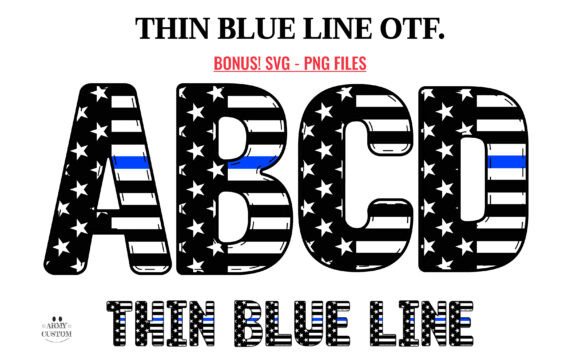
We’ve all seen the iconic black and white flag with its single, bold stripe. It’s a modern symbol, instantly recognizable and loaded with meaning. Now, imagine that same spirit of unwavering support and stylish design translated into a typeface. This is where the concept of a Thin Blue Line Flag Font enters the conversation. It’s not about literally writing words on a flag. It’s about a typographic design philosophy that captures the same aesthetic—clean lines, confident presence, and a distinct, modern edge. It’s a creative asset for anyone looking to infuse their work with a sense of cool, patriotic pride.
More Than a Symbol: A Design Aesthetic
So, what does this look like in practice? Think of a display font that commands attention without shouting. The "Thin Blue Line" influence in its design might manifest in several subtle yet impactful ways. Perhaps the letterforms have a strong, vertical emphasis, suggesting steadfastness and integrity. You might notice clean, sans serif proportions that feel modern and authoritative, perfect for logo design or brand identity work. Or, it could be a serif font where the serifs themselves are designed with a refined, flag-like precision, adding a touch of classic respect to editorial layouts or formal invitations.
The real magic is in its versatility as a premium font. It’s not a one-trick pony. A well-designed typeface in this style could offer a full family of weights—from a light, airy weight for body text to a heavy, impactful black for headlines. This allows for incredible visual consistency across a project. Imagine using the bold weight for a hero banner on a website and the regular weight for the supporting text in a brochure. The cohesion is immediate, and the brand recognition strengthens with every touchpoint.
Practical Applications for the Modern Creator
Let’s move from theory to the studio. Where does a font like this truly shine? The applications are surprisingly broad, limited only by the creator's vision.
- Branding & Logo Design: For businesses in security, law enforcement consulting, protective services, or even patriotic apparel, this font provides a foundational piece of the brand puzzle. It communicates trust, authority, and a specific value system at a glance. Pair it with a simple icon, and you have a logo that’s both memorable and meaningful.
- Packaging Design: Think about products that celebrate American craftsmanship, from craft coffee roasters to artisanal leather goods. The font can add a layer of heritage and pride to the packaging, making the product feel more substantial and connected to a story. It works beautifully on labels, boxes, and hang tags.
- Social Media Graphics & Marketing Assets: In the fast-scroll world of Instagram or Facebook, stopping power is everything. A bold, stylish headline set in a Thin Blue Line-inspired typeface can make a post stand out. It’s perfect for creating quotes, announcements, or promotional graphics for events like Memorial Day or Fourth of July sales, ensuring your message is seen and felt.
- Merchandise & Print Materials: From t-shirts and hats to posters and bumper stickers, the font’s clear, strong letterforms ensure readability even at a distance or on textured fabrics. For print materials like event flyers or program booklets, it delivers a professional, polished look that elevates the entire piece.
- Digital Products & Editorial Design: Bloggers and content creators can use it to give their site headers a distinct personality. In editorial design, such as magazines or annual reports, it can be used for pull quotes and section dividers to add visual interest and guide the reader’s eye.
Choosing and Pairing Your Typeface
Not all fonts are created equal, and choosing the right one requires a bit of strategy. When exploring a font in this style, look for a commercial font that offers a comprehensive license for your needs—whether for a client project, merchandise, or a global advertising campaign. A good font pairing is also crucial. A strong, display-oriented sans serif font inspired by the Thin Blue Line might pair beautifully with a clean, simple script font for a touch of elegance, or a neutral serif font for longer blocks of text to ensure readability.
Always test your pairings in context. Mock up a headline and a paragraph of body text. See how they look on a mobile screen versus a printed page. The goal is a harmonious relationship where the headline captures the spirit and the body copy delivers the information clearly. This attention to detail is what separates amateur work from professional visual communication.
Ultimately, the value of a thoughtfully designed font like this is in its ability to do the heavy lifting for you. It’s a design asset that brings a specific mood and meaning to your work, allowing you to build a stronger, more resonant connection with your audience. It’s about having a tool in your kit that doesn’t just look cool, but also carries a quiet, confident pride. Whether you’re a designer crafting a brand identity, an entrepreneur building a product line, or a hobbyist creating a personal project, typography is your silent ambassador. Choosing one that aligns with your values ensures that every project you undertake doesn’t just communicate—it connects.