Adding Cozy Charm: Designing with the Ginger Bread Font
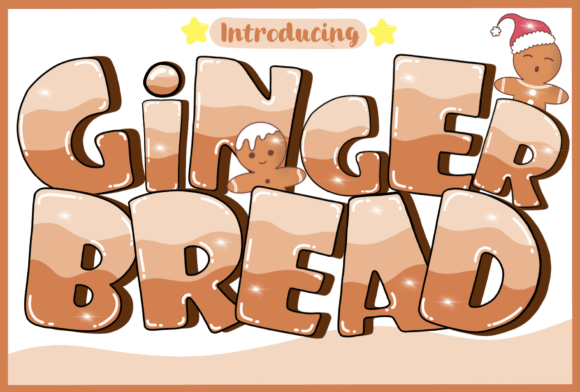
There is a specific feeling that washes over you when you walk into a kitchen where gingerbread is baking—it’s a mix of nostalgia, warmth, and visual delight. Recreating that sensory experience in a digital design is tricky, but typography is one of the most powerful tools to bridge that gap. When you need your visuals to feel inviting and festive without saying a single word, the right typeface does the heavy lifting. Enter Ginger Bread, a warm, colorful font that mimics the look of actual holiday treats. It moves beyond standard block letters to feature a lovely ginger color pattern, offering a cozy and sweet design that instantly sets a mood.
For designers, small business owners, and content creators, finding a font that carries this much personality can be a game-changer for seasonal campaigns. However, using a highly stylized, decorative typeface requires a strategic approach. It isn't just about how pretty the letters look; it’s about how well they communicate your message, how they function across different platforms, and how they integrate into your wider brand identity. Let’s dive into how you can effectively leverage the Ginger Bread font to create designs that feel both professional and heartwarmingly festive.
Understanding the Aesthetic: More Than Just a Holiday Vibe
At its core, Ginger Bread is a display font. In the world of modern typography, display typefaces are designed to grab attention. They are rarely meant for long paragraphs of body text; instead, they shine in headlines, logos, and short bursts of text where personality is paramount. The visual characteristics of this particular typeface are defined by its texture and color. Unlike standard vector fonts that rely on solid shapes, this premium font features a baked-goods aesthetic that suggests texture and depth.
Because of its intricate design, this font falls into the category of creative font assets that require careful handling. It is not a sans serif font known for minimalism, nor is it a strict serif font for academic reading. It is a decorative script that borrows elements of a handwritten font to create a friendly, approachable vibe. When you use Ginger Bread, you are making a deliberate choice to prioritize warmth and whimsy over corporate sterility. This makes it an excellent choice for brands looking to humanize their image, particularly in the food, lifestyle, or gifting sectors.
Practical Applications: Where This Font Shines
The versatility of a themed font like this lies in its ability to transform a mundane project into something memorable. However, context is everything. Here is how you can apply this typeface across various design assets to maximize its impact.
Branding and Logo Design
If you run a bakery, a coffee shop, or a catering company, your logo needs to trigger a sensory response. Using Ginger Bread for your wordmark or logotype can immediately communicate "homemade" and "delicious." It works exceptionally well for seasonal rebrands. For example, a coffee chain might swap their standard logo for a holiday version using this font to signal the return of their winter menu. When using it for logo design, ensure the letters have enough breathing room. The colorful pattern inside the font can get visually noisy if the letters are too close together.
Packaging and Merchandise
Physical products rely on shelf appeal. If you are selling jars of jam, cookie mixes, or holiday candles, packaging design using this font can differentiate your product from competitors using generic Arial or Helvetica. The "baked" texture of the letters suggests the quality of the ingredients inside. For merchandise like tote bags, mugs, or T-shirts, the font serves as a piece of art in itself. Because the black version is compatible with cutting machines like Cricut Design Space, you can easily create iron-on vinyl decals for apparel or custom drinkware.
Digital Presence: Social Media and Web Design
In the fast-scrolling environment of Instagram or TikTok, stopping the thumb is the primary goal. Ginger Bread is perfect for social media graphics, particularly for announcing sales, holiday hours, or recipe shares. It creates a strong focal point for your content. On a website, however, restraint is key. Avoid using this font for navigation menus or blog post bodies. Instead, use it for hero images, holiday banners, or specific call-to-action buttons during a promotional period. This ensures your web design remains readable while still capturing the festive spirit.
Technical Strategy: Compatibility and Workflow
One of the most critical aspects of working with specialized design assets is understanding their technical limitations. Not all fonts behave the same way across software, and Ginger Bread is a prime example of a font that requires a specific workflow.
The first thing to note is the distinction between the black version and the color version. The black version acts like a standard font file. It is compatible with Cricut Design Space, Silhouette Studio, and other basic design software. This makes it ideal for print materials, posters, and physical crafting projects where you might be cutting vinyl or paper.
However, the color version—the one that truly captures the gingerbread aesthetic with its warm hues and pattern—is an OpenType SVG font. This technology allows for high-resolution texture and color data within the font file itself. Because of this complexity, the OTF and TTF files of the color version are not compatible with Cricut or basic word processors. You will need professional design software to utilize it. Specifically, programs like Adobe Photoshop, Adobe Illustrator, Silhouette Studio Designer Edition (or higher), and Inkscape are required to render the colors correctly.
If you attempt to install the color version in a standard program, it will likely default to a black silhouette or fail to load entirely. Always check your software's compatibility with SVG fonts before starting a project. This prevents wasted time and ensures your final output matches your creative vision.
Mastering Font Pairings and Readability
A common mistake in design is using a highly decorative font for everything. While Ginger Bread is charming, using it for an entire menu or a full invitation suite can lead to visual fatigue. This is where font pairing becomes an essential skill.
To create a balanced layout, pair this display font with a clean, neutral typeface. A sans serif font with a geometric structure works beautifully to ground the whimsical nature of the gingerbread text. For example, if you are designing a poster for a holiday market, use Ginger Bread for the headline "Holiday Market," and use a font like Montserrat, Open Sans, or Lato for the date, time, and location details. The contrast between the decorative headline and the clean body text creates a hierarchy that guides the reader’s eye naturally.
Readability is another major consideration. Because the font mimics the irregular shapes of cookies, some letters might be harder to decipher at small sizes. Always test your designs at the actual size they will be viewed. If you are designing a billboard, the texture will be visible from a distance. If you are designing a small sticker, you may need to increase the font size significantly to ensure the text is legible. Avoid using this font for "fine print" or legal disclaimers; stick to bold, short headlines where the style can be appreciated without hindering comprehension.
Commercial Use and Licensing
For entrepreneurs and small business owners, the legal side of typography is just as important as the aesthetic side. Before using Ginger Bread in a commercial project—such as selling printed T-shirts, using it in a client’s logo, or incorporating it into a digital product for sale—you must verify the licensing.
Most premium fonts come with specific terms of use. Some licenses allow for unlimited personal use but require a commercial license for profit-generating activities. Others might be sold as a "desktop license" that covers printing, but require a separate "web font license" if you want to use it on a website via CSS.
Review the documentation that comes with your download. If you are a print-on-demand seller, ensure the license covers the creation of flattened graphics (like PNGs or JPGs) that you sell to customers. If you are a designer creating a logo for a client, ensure the client receives the appropriate usage rights. Respecting these guidelines protects your business from copyright infringement and supports the type designers who create these unique assets.
Bringing It All Together
The Ginger Bread font is more than just a collection of letters; it is a design tool capable of evoking specific emotions and memories. By understanding its technical requirements—specifically the difference between the black and color versions—and pairing it thoughtfully with cleaner typefaces, you can elevate your seasonal projects from generic to exceptional. Whether you are packaging artisanal goods, designing a festive social media campaign, or crafting personalized invitations, this typeface offers a unique blend of coziness and creativity. Use it to tell a story, connect with your audience, and add a touch of handmade warmth to your digital and physical creations.