Why Designers Are Obsessed with the Yellow Polka Dot Typeface
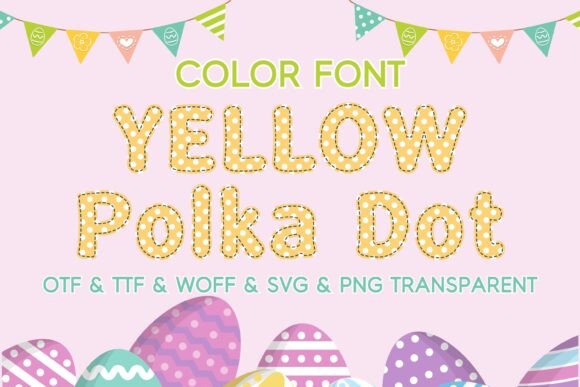
There is a distinct shift happening in visual branding right now. We are moving away from the rigid, sterile minimalism that dominated the last decade and stepping into a more expressive, tactile era. Consumers are tired of generic sans-serifs; they want personality. They want to feel a human touch behind the screen. If you are a designer, a small business owner, or a content creator, you know that finding a font that balances playful energy with professional legibility is surprisingly difficult. You need something that grabs attention without looking chaotic. Enter Yellow Polka Dot, a color font that promises to inject vibrant life into your project designs. It is not just a typeface; it is a design statement that works seamlessly across t-shirt designs, mug designs, digital assets, and high-end print materials.
The Visual Impact of Color Typography
Before we dive into specific applications, it is worth understanding why a font like Yellow Polka Dot stands out in a crowded marketplace of design assets. Traditional fonts rely solely on shape—black ink on white paper. A color font, however, bakes the texture, pattern, and hue directly into the typeface file. When you type with Yellow Polka Dot, you aren't just getting letters; you are getting a pre-designed pattern of bright, optimistic dots that mimic a painted or textured finish.
This is a massive time-saver for creators. Usually, to achieve this look, you would have to type out your word, convert it to outlines, and then meticulously clip a texture pattern inside the vector paths. That process takes time and processing power. With this premium font, the effect is instant. It offers that "hand-made" aesthetic that feels approachable and fun, making it an ideal display font for headers, hero sections, and merchandise where you need to make an immediate emotional connection with the viewer.
Practical Applications: From Merch to Marketing
The versatility of a typeface defines its value. A font that only works on a poster has limited utility. However, Yellow Polka Dot shines because of its adaptability across various mediums. It fits perfectly into the toolkit of a creative entrepreneur or a hobbyist looking to elevate their output.
Consider the world of merchandise. When selling print-on-demand products, the tactile quality of the design is crucial. Yellow Polka Dot creates an illusion of texture that looks fantastic on t-shirts, tote bags, and ceramic mugs. It implies a retro, joyful vibe that is perfect for summer collections or playful branding. Because the "texture" is built-in, it prints consistently across different substrates, ensuring your mug design looks just as crisp as your digital mockup.
For packaging design, this typeface offers a solution to the "boring box" problem. If you are shipping products, the unboxing experience is part of your brand identity. Using a creative font like this for a "Thank You" sticker or a care instruction card adds a layer of delight that standard serif or sans serif fonts simply cannot replicate. It signals to the customer that your brand cares about the details.
Building a Cohesive Brand Identity
Brand recognition is built on consistency and distinctiveness. If your logo and marketing materials look like everyone else’s, you become forgettable. Integrating a unique typeface like Yellow Polka Dot into your brand identity can solve this. It works exceptionally well for businesses targeting family-oriented audiences, children’s products, bakeries, or creative services.
However, a strong brand strategy requires balance. You cannot use a textured, colorful display font for everything—your body copy would become unreadable. This is where font pairing becomes critical. Yellow Polka Dot is designed to be the star of the show in headlines and logos. To support it, you need a sturdy, highly legible partner.
Try pairing it with a clean geometric sans serif for your body text. The simplicity of the sans serif will frame the complexity of the polka dots, creating a hierarchy that guides the reader's eye naturally. Alternatively, for a more whimsical editorial layout, you could pair it with a traditional serif font to create a contrast between classic elegance and modern playfulness. The goal is to let the Yellow Polka Dot do the heavy lifting for "personality," while your secondary font handles the "information."
Digital Design and Social Media Engagement
In the fast-paced world of social media graphics, stopping the scroll is the primary objective. Visuals need to be processed instantly. The high contrast and playful pattern of Yellow Polka Dot make it impossible to ignore. It is particularly effective for Instagram stories, Pinterest pins, and YouTube thumbnails where bold text is required.
For digital products, such as planners, worksheets, or e-book covers, this font adds significant perceived value. A PDF planner that uses a standard system font feels cheap. One that utilizes a unique, textured font for headers feels like a curated design tool. It transforms a simple document into a digital experience.
When using this font on websites, however, context is key. It is best reserved for H1 headers or specific call-to-action buttons. Avoid using it for navigation menus or long paragraphs, as the texture can become visually fatiguing if overused. Think of it as a spice—a little goes a long way to flavor the dish, but too much ruins the meal.
Technical Considerations and Readability
When selecting any premium font, you must consider the technical aspects of your project. While Yellow Polka Dot is visually stunning, readability is the ultimate test of good design.
Size matters immensely with textured fonts. At very small sizes, the polka dots can merge together, turning your text into a muddy blur. Always test your typography at the size it will be viewed. If you are designing a business card, check the legibility of the text at 100% scale on a monitor. If it is for a billboard or a poster, the texture will hold up beautifully even at massive scales because the eye can distinguish the individual dots.
Furthermore, consider the commercial licensing that comes with the asset. For designers working with clients, ensuring you have the right to use the font in commercial products (like logos or merchandise) is non-negotiable. Always review the license details to ensure your logo design or client work is legally compliant.
Final Thoughts on Creative Typography
Typography is the voice of your design. Choosing a font like Yellow Polka Dot is a decision to speak with confidence, joy, and creativity. It is a tool that bridges the gap between digital convenience and handcrafted charm. Whether you are launching a new product line, refreshing your social media presence, or designing a wedding invitation, this typeface offers a way to stand out in a sea of monotony. It reminds us that design should be fun, and that the right visual assets can completely transform how an audience perceives your work. Don't be afraid to experiment with bold typography—it might just be the missing piece your next project needs.