Ember: A Color Font That Paints Every Letter
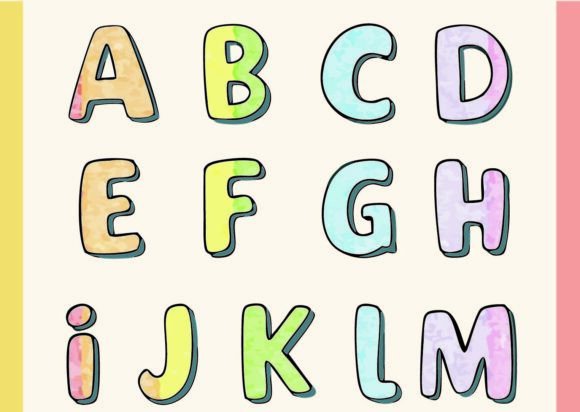
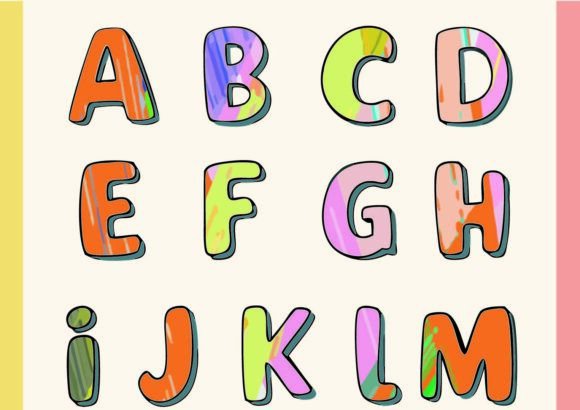
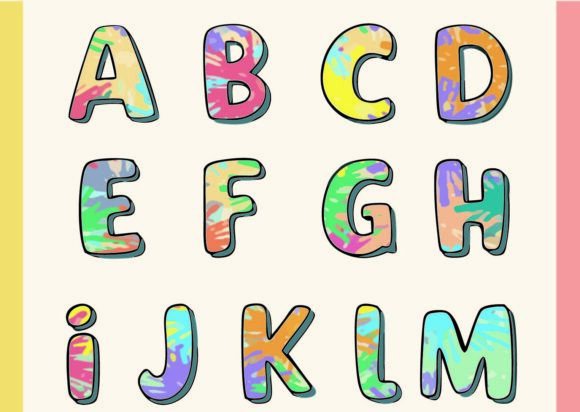
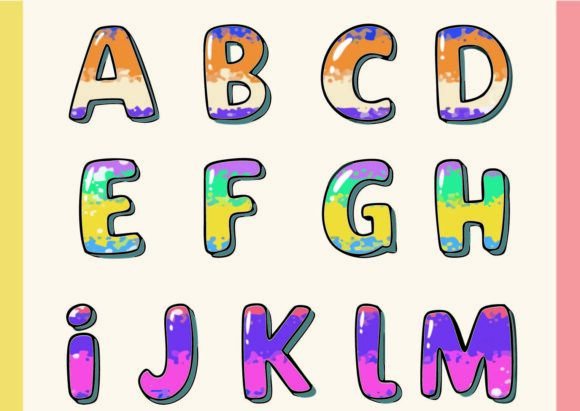
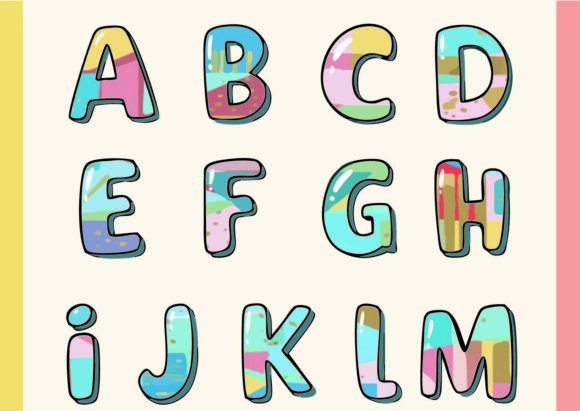
There’s a certain kind of magic in typography that goes beyond simply arranging letters on a page. It’s the moment when a typeface stops being a tool and starts becoming a piece of art in its own right. Ember is precisely that kind of magic. This isn’t your typical font family; it’s a chromatic, color font—a vibrant, living collection of glyphs where each letter, number, and symbol is a unique typographic painting. Imagine a font where the ‘A’ isn’t just a shape filled with a solid color, but a complex tapestry of interwoven paths, each with its own distinct hue. That’s Ember. It’s a colorful heaven for designers and creators who want their work to sing with visual energy and intricate detail.
A Palette in Every Glyph
What sets Ember apart from a standard premium font is its construction as an OpenType-SVG color font. This technology allows each glyph to contain multiple colors and even gradients, creating a depth and richness that flat, single-color fonts simply cannot achieve. If you zoom in on any character, you’ll discover a world of complex paths and connections—a deliberate, artistic chaos that forms a cohesive whole. This makes it an exceptionally creative font, perfect for projects where the typography itself needs to be a focal point. Think of it as a built-in design asset; you’re not just choosing a typeface, you’re incorporating a miniature piece of graphic art into every word you type.
This level of detail offers incredible branding opportunities. For a small business owner crafting a unique brand identity, Ember can become a signature element. Its intricate, colorful nature is instantly memorable, helping to boost brand recognition in a crowded market. It’s the kind of typeface that doesn’t just convey a message—it creates an experience, making it a powerful tool for any visual communication strategy.
Practical Magic for Real-World Projects
While Ember is a showstopper, its value lies in its practical application across a wide range of creative and commercial projects. Its bold, artistic presence makes it an ideal display font for situations where you need to capture attention immediately.
Consider its use in logo design. A logotype set in Ember doesn’t need much else; the font itself provides the visual complexity and color story. It’s perfect for brands in creative industries, artisanal products, or any business that wants to project a sense of craftsmanship and vibrancy. For packaging design, it can turn a product label into a miniature gallery piece, making items stand out on a shelf. The same principle applies to posters and invitations, where Ember can set a celebratory, artistic tone from the first glance.
In the digital realm, Ember shines for social media graphics and web design. A headline set in this typeface can stop the scroll, adding a burst of personality to a feed or a landing page. It’s also a fantastic choice for blog post titles or featured images, giving digital content a polished, professional presentation. For merchandise like t-shirts or tote bags, Ember’s detailed illustrations translate beautifully, creating products that feel custom-designed.
Pairing for Polish and Readability
Given Ember’s strong personality, thoughtful font pairing is key to maintaining both visual consistency and readability. A general rule in modern typography is to balance a highly decorative font with a simpler, more neutral counterpart. Ember, with its intricate details, works best as a headline or accent font.
For body text or longer passages where readability is paramount, pair it with a clean sans serif font or a simple serif font. A neutral sans serif like a geometric or grotesque style will provide a calm, modern backdrop that lets Ember’s colors pop without competing. If your brand leans more traditional, a classic serif font can offer a sophisticated contrast. The goal is to create a hierarchy where Ember draws the eye for key messages, while the paired typeface ensures the supporting content is easy to digest.
Always test your pairings in context. View your design on different screens and in print if possible. Check that the colors in Ember remain clear and distinct at various sizes, and ensure the overall layout feels balanced. This testing phase is crucial for any project using a creative font, as it guarantees the final product is both beautiful and functional.
Technical Harmony and Licensing
From a workflow perspective, Ember is designed to integrate smoothly into professional design software. It’s compatible with key applications like Adobe Photoshop, Illustrator, and Silhouette, as well as the open-source powerhouse Inkscape. This ensures that whether you’re a seasoned designer or a hobbyist crafter, you can access and utilize its full color potential without technical hurdles. The included OTF and/or TTF files provide flexibility for different project requirements.
As with any commercial font, it’s wise to review the licensing terms before use, especially for client work or merchandise you plan to sell. Understanding the license ensures you can use Ember confidently in your professional projects, from editorial layouts in magazines to digital products like online courses or downloadable assets. This attention to detail is part of presenting a professional front and respecting the work of type designers.
Ultimately, Ember is more than just a set of colorful letters. It’s a design partner that brings its own artistic voice to the table. It challenges the conventional boundaries of typography, turning every headline into a conversation piece and every logo into a vibrant emblem. For projects that demand to be seen and remembered, this typeface offers a unique and powerful solution, blending the art of illustration with the function of type.