Delaney: A Kaleidoscope of Color for Bold Visuals
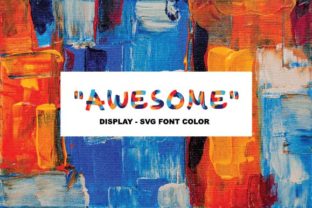
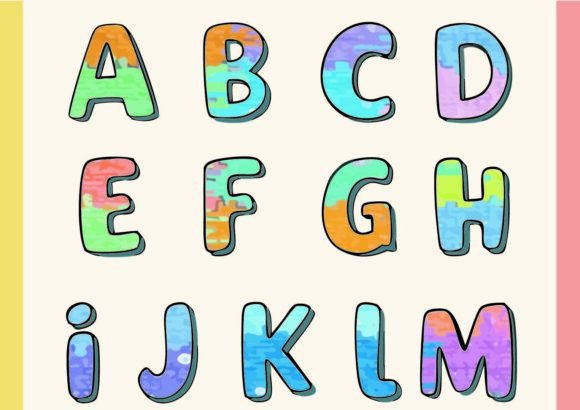
Imagine a typeface that doesn't just sit quietly on the page but jumps off it, demanding attention with a burst of color in every single letter. This isn't your standard black-and-white font; it's a vibrant, living piece of art. Delaney is a chromatic font, a true "color font" where each glyph is a unique, multi-hued composition. It’s a colorful heaven for designers who want to break the monotony. If you look closely at any letter or symbol, you’ll discover incredibly complex sets of paths and connections, making each character feel like a small typographic painting. This level of detail transforms ordinary text into a dynamic visual experience, perfect for projects that need to stand out in a crowded market.
What Exactly is a Color Font and Why Does it Matter?
Unlike traditional fonts that rely on a single color, usually black, a color font (specifically an OpenType-SVG font like Delaney) embeds the color information directly into the font file. This means that when you type, you’re not just placing a shape—you’re placing a pre-colored, multi-layered illustration. For creative professionals, this is a game-changer. It eliminates the need for manual coloring or adding effects in post-production, saving valuable time while ensuring every character is perfectly consistent. The technology behind this premium font allows for gradients, textures, and intricate color blends that were once only possible with complex graphic design software.
This innovation is particularly relevant for modern branding and digital content. In a world saturated with visual noise, a chromatic typeface can be the secret weapon for creating instant brand recognition. Think about a social media feed where every post uses a standard, neutral font. Now, imagine one where the headings are crafted with Delaney’s vibrant, artistic letters. The latter immediately communicates creativity, energy, and a willingness to stand out. It’s a powerful tool for visual communication that goes beyond mere words.
Practical Applications: Where Delaney Truly Shines
The versatility of a display font like Delaney might surprise you. While it’s not intended for body text, its impact in specific applications is profound. Consider its use in logo design. A logo is the cornerstone of a brand identity, and using a unique, colorful typeface can make a business name unforgettable. Paired with a clean sans serif font for supporting text, a Delaney-based logo can convey innovation and fun, ideal for businesses in creative industries, children’s products, or boutique retail.
Beyond logos, this typeface excels in packaging design. On a crowded shelf, a product needs to grab a shopper’s eye in seconds. Using Delaney for the product name or key features can create a shelf-stopping moment. Its intricate details reward closer inspection, inviting customers to pick up the box. Similarly, for social media graphics, it’s invaluable. Instagram stories, Pinterest pins, and Facebook ads all rely on quick visual hooks. A bold, colorful headline set in Delaney can increase engagement and click-through rates by making the message impossible to scroll past.
For those in editorial design or creating digital products, this font can be used strategically for pull quotes, chapter headings, or cover titles. It adds a layer of artistic flair that elevates a magazine layout, a book cover, or the title slide of an online course. Even merchandise like t-shirts, mugs, and posters can benefit. The font’s built-in complexity means a simple phrase becomes a standalone graphic, reducing the need for additional artwork and streamlining the design process for print-on-demand businesses.
Pairing and Readability: Using a Chromatic Font Wisely
With great power comes great responsibility. A font as detailed as Delaney demands careful consideration for readability and pairing. Its primary role is as a display font—use it for headlines, titles, and short, impactful phrases. Avoid setting paragraphs or long sentences with it, as the visual complexity can overwhelm the eye and hinder reading flow.
The key to successful font pairing is contrast. Balance Delaney’s exuberance with a calm, neutral companion. A classic sans serif font like Helvetica, Arial, or a modern geometric sans works beautifully for subheadings and body copy. If your brand leans more traditional, pairing it with a clean serif font can create an interesting juxtaposition of modern color and classic structure. The goal is to let the chromatic font be the star of the show while its supporting cast ensures the overall message remains clear and professional.
Always test your pairings in context. Mock up a social media post, a product label, or a website header to see how the fonts interact at different sizes. Pay attention to spacing—color fonts sometimes require slight adjustments to letter-spacing (tracking) to look their best. This testing phase is crucial for maintaining visual consistency across all your brand assets.
Integrating Delaney into Your Design Workflow
Adopting a new design asset like Delaney is straightforward, especially with broad software compatibility. As an OpenType-SVG font, it works seamlessly in recent versions of Adobe PhotoShop and Illustrator. For crafters and hobbyists, its compatibility with Silhouette Studio and the free, open-source vector editor Inkscape makes it accessible for a wide range of projects, from vinyl decals to custom invitations.
When you download the font, you’ll typically receive both OTF and/or TTF files. Install them as you would any other font. Once activated, you can start typing directly in your chosen application. Remember to explore the full character set; many creative fonts include alternates, ligatures, or additional symbols that can add even more uniqueness to your designs. Reviewing the included styles and glyphs is a worthwhile step to unlock the font’s full potential.
Finally, for any commercial project, always ensure you have the correct commercial licensing. A reputable font purchase includes clear licensing terms that allow you to use the font in client work, products for sale, and marketing materials. This protects both you and the font creator, ensuring your beautiful, colorful designs are also legally sound. By thoughtfully incorporating a tool like Delaney into your toolkit, you’re not just choosing a font—you’re investing in a powerful element of visual storytelling that can help your projects resonate more deeply with your audience.