Blossom Cute: Infusing Joyful Energy into Modern Design
There is an immediate, almost instinctual reaction to design elements that evoke genuine happiness. In a market saturated with minimalist sans-serifs and serious corporate typefaces, there is a growing demand for typography that tells a different story—one of whimsy, nature, and approachability. This shift is particularly evident in sectors targeting families, wellness, and lifestyle brands, where the visual tone needs to feel as welcoming as a conversation with a friend. It is within this creative space that a specific style of floral display type has emerged as a powerful tool for capturing attention and setting a distinct mood.
The Aesthetic Appeal of Floral Typography
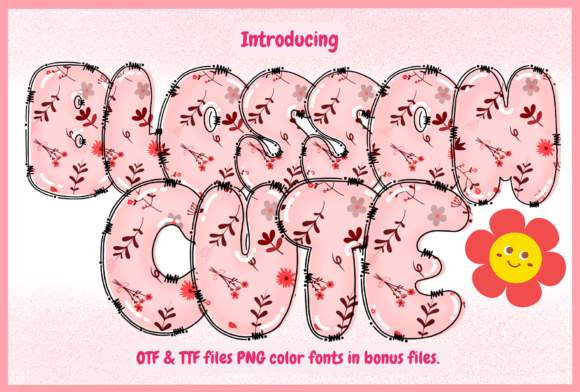
When we look at typefaces that incorporate organic motifs, we are often dealing with more than just letterforms; we are looking at decorative assets. Blossom Cute represents a specific niche in this category, characterized by its bubbly structure and integration of adorable floral patterns. Unlike standard script fonts or rigid serif fonts, this style of display font acts almost like an illustration. The visual weight of the letters is balanced by the delicate details of the petals and leaves woven into the stems and swashes.
For designers, the challenge with heavily decorative typefaces is usually legibility. However, the most effective "cute" fonts manage to maintain a distinct silhouette for each character, even amidst the ornamentation. This is crucial for logo design, where the brand name must be recognizable at a glance. The charm of this aesthetic lies in its ability to soften a message. A bakery, a children’s clothing line, or a boutique skincare brand can use this style to instantly communicate that they are friendly, artisanal, and detail-oriented.
Strategic Applications for Brand Identity
Choosing a typeface is a business decision as much as an artistic one. If you are a small business owner or a creative entrepreneur, your typography is the handshake of your brand. Using a premium font like this allows you to bypass generic templates that fail to make an impression.
Consider the world of packaging design. On a crowded shelf, a product has roughly three seconds to grab a shopper's attention. A font bursting with charm can serve as the primary visual hook. Imagine a jam jar label or a gift box for stationery; the typography does the heavy lifting of establishing the "artisan" quality of the product. It transforms a simple container into a design asset that feels curated and special.
Beyond physical goods, the digital application is equally vital. In social media graphics, where users scroll rapidly, a vibrant typeface can stop the thumb. It is particularly effective for:
- Instagram Stories and Reels: Creating headers for tutorials or announcements that feel energetic and fun.
- Pinterest Pins: Designing vertical graphics that stand out in search results, particularly for DIY, crafting, or wedding content.
- YouTube Thumbnails: Adding a playful pop of personality that suggests the video content is light-hearted and engaging.
Pairing and Professional Presentation
One of the most common mistakes in modern typography is using a display font for body copy. A typeface designed to be "bubbly and vibrant" is best suited for headlines, subheadings, and callouts. For the actual reading text—whether on a website or in print materials—you need a workhorse font that prioritizes readability.
To create visual consistency, you need to build a complementary pairing. Because Blossom Cute has a strong personality, it pairs best with neutral companions. A clean, geometric sans serif font often works best here. The simplicity of the sans-serif provides a visual "rest" for the eyes, allowing the floral display font to shine without overwhelming the viewer.
Here is a practical approach to font pairing:
- Contrast is Key: Pair the bubbly, high-detail headers with a simple, low-detail body text.
- Size Hierarchy: Use the display font large and sparingly. If you shrink it too small to fit a long sentence, the floral details will turn into visual noise.
- Spacing Matters: Decorative fonts often benefit from slightly increased letter spacing (tracking) to ensure the ornamental elements don't touch and create a cluttered look.
Contextual Relevance and Audience Connection
Understanding your audience is paramount when selecting creative fonts. This style of typography resonates deeply with specific demographics. Parents shopping for children's products, brides-to-be planning a wedding, or consumers looking for organic wellness products are psychologically primed to respond to visual cues that suggest nature, care, and playfulness.
For editorial design, such as a lifestyle blog or a digital magazine, using this font for pull quotes or section headers can break up long blocks of text. It adds a rhythmic visual interest to the layout. Similarly, in invitation design—whether for a birthday party or a boutique event—the font sets the mood immediately. It tells the recipient that the event will be well-curated and fun.
However, context is everything. While this typeface is perfect for a cupcake shop or a florist, it would likely feel out of place on a law firm’s website or a fintech annual report. The goal of brand identity is alignment; the visual language must match the service provided. When the alignment is correct, the typography builds trust because it meets the customer's expectations of what that industry should look and feel like.
Technical Considerations for Commercial Use
When investing in a commercial font, you are paying for the hours of craftsmanship that went into vectorizing the curves and ensuring the file renders correctly across different operating systems. A high-quality floral font should include standard characters, numbers, and punctuation, but it often also includes bonus elements.
Many premium fonts in this category come with stylistic alternates or swashes. These are variations of specific letters that allow you to customize the look further. For example, you might be able to choose a different "tail" for the letter 'g' or 'y'. This level of customization ensures that even if two businesses use the same font, their logos can look distinct.
Before finalizing a purchase or download for a commercial project, always review the licensing. E-E-A-T (Experience, Expertise, Authoritativeness, and Trustworthiness) principles apply to design assets as well. You want to ensure the font files are clean, the licensing allows for the specific usage you intend (such as merchandise or digital products), and the creator offers support. Testing the font in your specific environment—whether that is Adobe Illustrator, Canva, or a web platform—is a necessary step in the design workflow.
Ultimately, the right typography is invisible when it works and jarring when it doesn't. By selecting a typeface that carries the specific emotional weight of your project, you ensure that your message is not just read, but felt.